 |
| Last Updated September 17, 2012 |
INFORMATION ABOUT LANDLORD-TENANT RELATIONSHIPS |
 |
|
A landlord-tenant relationship exists when, as part of an agreement, the landlord provides the tenant with living space in exchange for rental payments from the tenant. We hope that the questions and answers presented here will assist you in familiarizing yourself with Landlord-Tenant issues and terms. While the material below attempts to answer common questions in this area, state and local laws may significantly modify the facts set forth. Because all legal problems are unique, nothing provided here is a substitute for the advice of competent counsel. We strongly urge you to consult with an attorney licensed to practice in your state about any particular legal problem you may have.
WHAT IS A LEASE?
Both the landlord and the tenant
benefit from having the lease WHAT ARE MY RIGHTS AS A RESIDENTIAL TENANT?
Residential tenants in many states are also entitled to the benefit of the covenant of "quiet enjoyment". This is the right of the tenant to fully use and enjoy the premises within the terms and conditions of the lease, without interference or disturbance from the landlord or anyone acting on her/his behalf. This does not mean, however, that the landlord is necessarily responsible for the acts of others that the landlord cannot control. DOES A SUBLESSOR HAVE ANY RIGHTS AGAINST THE LANDLORD?
WHAT IS A SECURITY DEPOSIT?
The security deposit provisions of Pennsylvania's Landlord Tenant Act provide that a landlord may not legally require a security deposit in excess of two (2) months rent for the first year's lease. For every year after the first year, a deposit equal to one month's rent is all that may be required. After two (2) years, deposited funds in excess of $100.00 must be placed in a separate account, in an institution regulated by Pennsylvania or by federal authorities and the landlord must notify the tenant, in writing, of the name and address of the depository and the amount of the deposit. Within thirty (30) days after the termination of a lease, or upon surrender and acceptance of possession of the premises, the landlord is obligated to provide the tenant with a written list of any damages. The landlord may deduct the amount to fix the damages and return the balance of the escrow monies, if any, to the tenant. This reimbursement is not required if the landlord claims nonpayment of rent or other material breach of the lease. Any interest earned on the security deposit must be paid to the tenant at the termination of the lease, after the landlord deducts up to the allowable one percent (1%) administration fee. Other states have different laws concerning security deposits and some states have no statutes at all on this subject. If you have a dispute with your landlord over the amount or return of a security deposit, check your local law to find out what rights you have. WHAT ARE THE LANDLORD'S DUTIES?
Usually, the landlord may not restrict the right of the tenant to invite people into the premises for business, family or personal reasons. However, the landlord may add reasonable rules and regulations regarding the tenant's use of the premises to the lease. Further, the tenant may be responsible to the landlord if a guest of the tenant damages the landlord's property. The landlord may not restrict the right of tenants to organize a Tenant's Association. Further, a landlord may not engage in any retaliatory conduct against his tenant for participating in a tenant's association. HOW CAN THE LANDLORD/TENANT RELATIONSHIP END?
DO I NEED AN ATTORNEY?
HOW IS MY ATTORNEY PAID?
DESSEN, MOSES & ROSSITTO is happy to assist you in any legal matter that involves either Pennsylvania or New Jersey, the two states in which our attorneys routinely practice. If you have other questions or comments about the Landlord-Tenant area, or any other area in which we practice, please send us an E-mail message with your questions or comments and we will be happy to try to assist you. |

 A
lease is an agreement between the landlord and the tenant that sets forth the
particulars of the tenant's use of the property. The lease defines how long the
tenant is entitled to possession of the property, the rent to be paid, responsibilities for taxes,
utilities, maintenance and the like, limitations on the types of use for the
property, legal rights and remedies available to both parties in the
relationship and so forth. In essence, the lease is the agreement that forms
the basis of the relationship between the landlord and the tenant. This is seen
as a contract between the parties. Federal, state and local laws control other
aspects of the relationship, and may impose other duties on the parties that
are not contained in the lease. For example, under Federal law, a landlord may not discriminate against tenants with regard to race.
A
lease is an agreement between the landlord and the tenant that sets forth the
particulars of the tenant's use of the property. The lease defines how long the
tenant is entitled to possession of the property, the rent to be paid, responsibilities for taxes,
utilities, maintenance and the like, limitations on the types of use for the
property, legal rights and remedies available to both parties in the
relationship and so forth. In essence, the lease is the agreement that forms
the basis of the relationship between the landlord and the tenant. This is seen
as a contract between the parties. Federal, state and local laws control other
aspects of the relationship, and may impose other duties on the parties that
are not contained in the lease. For example, under Federal law, a landlord may not discriminate against tenants with regard to race.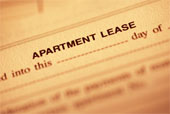 in writing. Either party
may negotiate for any terms or other particulars he or she wants before it is signed. However, once both parties sign the lease, it is a
legally binding document. If a conflict later arises between the parties
regarding the property that must be decided in the courts, the court will look
to the lease to determine the parties' agreement as to their respective rights
and obligations. Therefore, it is very important that each party read and
understand the lease before it is signed.
in writing. Either party
may negotiate for any terms or other particulars he or she wants before it is signed. However, once both parties sign the lease, it is a
legally binding document. If a conflict later arises between the parties
regarding the property that must be decided in the courts, the court will look
to the lease to determine the parties' agreement as to their respective rights
and obligations. Therefore, it is very important that each party read and
understand the lease before it is signed. "Habitability"
means that the leased premises must meet those minimum standards to make it
safe for the tenant to live there. For example, a dwelling must have heat in
the winter, drinkable water, sanitary and safe conditions. This
warranty exists no matter what the lease says. If the warranty is breached, the
tenant may be able to withhold the rent or pay it into an escrow account until the conditions or problems are
remedied. In extreme or prolonged situations, the tenant is able to terminate
the lease agreement. Defects and unappealing cosmetic problems which do not
affect the habitability of the premises, such as squeaky door or old carpeting, are not covered by the warranty of habitability.
However, the tenant may be able to force the landlord to correct these
conditions if the repair or replacement of such defects were negotiated terms
in the lease.
"Habitability"
means that the leased premises must meet those minimum standards to make it
safe for the tenant to live there. For example, a dwelling must have heat in
the winter, drinkable water, sanitary and safe conditions. This
warranty exists no matter what the lease says. If the warranty is breached, the
tenant may be able to withhold the rent or pay it into an escrow account until the conditions or problems are
remedied. In extreme or prolonged situations, the tenant is able to terminate
the lease agreement. Defects and unappealing cosmetic problems which do not
affect the habitability of the premises, such as squeaky door or old carpeting, are not covered by the warranty of habitability.
However, the tenant may be able to force the landlord to correct these
conditions if the repair or replacement of such defects were negotiated terms
in the lease. in good repair, particularly
the common areas. one general exception to this obligation is when the tenant is in
possession and control of the entire property.
in good repair, particularly
the common areas. one general exception to this obligation is when the tenant is in
possession and control of the entire property. normally sets forth how
many days notice must be given before the lease ends in order to be effective.
The relationship may end before the end of the lease term if both parties to
the lease agree to terminate the relationship, if outside events such as a fire
destroy the leased premises, or if one or both of the parties breaches the
terms and conditions of the lease. The rights and remedies of either party in
these situations is dependent on the nature and cause of the termination,
the provisions of the lease and what the local laws provide.
normally sets forth how
many days notice must be given before the lease ends in order to be effective.
The relationship may end before the end of the lease term if both parties to
the lease agree to terminate the relationship, if outside events such as a fire
destroy the leased premises, or if one or both of the parties breaches the
terms and conditions of the lease. The rights and remedies of either party in
these situations is dependent on the nature and cause of the termination,
the provisions of the lease and what the local laws provide. |
|
LINKS TO OTHER INTERESTING INFO Department of Housing and Urban
Development |
 |
|
Information found at this Web site is for general informational purposes only and is not intended to be legal advice or the rendering of a legal opinion. DO NOT assume that anything contained in these Web pages answers your specific legal problem. Each legal situation is unique. You should seek independent legal advice and counsel regarding any specific legal problem you may have. |
|
Copyright © 1996 -
2026 Dessen, Moses & Rossitto
All rights reserved.